
















FAQ
Frequently Asked Questions

Where do rats live?


Many species of rats live in most or all of the ATTIC States. Roof rats are mainly found in coastal areas, while Norway rats are fairly widespread throughout the states. Very urban and very rural areas attract rats either because of garbage or crops, respectively.

Outside, farms, fields, wooded areas and vacant lots provide excellent rat homes. Rats will often build nests in underground burrows or at ground level. They’ll line their nests with cloth and paper. The pack rat, in particular, likes to line his nest with shiny metal objects, such as bottle caps.

But often, rats move into human territory. Rats will burrow into sheds, homes, businesses, porches, decks, attics, crawlspaces and woodpiles and create a home. They will enter foundation openings to get to these spots or create a rat hole in your foundation themselves. Rats will fit into chimneys, roofing vents and soffit areas to have their young.

As humans build their homes and businesses closer and closer to natural rat habitat, the rats will take up residence in manmade living spaces. These locations are warm and often surrounded by food sources for both male and female rats, young and old. Female rats, in particular, enjoy the safety of human areas. They must protect their babies from predators. Areas like woodpiles, leaf piles and stacks of bricks also serve as rat shelter outside your home or business.

ATTICs, walls, chimneys and crawl spaces are hot spots in your home where rats seek shelter. Some mothers go so far as to tuck their babies down into crawl spaces, between floors, wall cavities, in storage areas and in attic insulation. Rats will also live between floors in two- or three-story homes and businesses. And in some cases rats will live in a child's room, a pet rat that is.

When are rats more active?


Rats will most commonly enter the attic, walls or crawlspace in the fall because there is a scarcity of seeds and plants outside. Rats are mostly nocturnal, so you won’t see them out much during the day. They usually start to become active around dusk, when they are looking for food and water. If there are a lot of rats in your attic, some rats may venture out to find food during the day.

Rats are only pregnant for about three weeks, and then they have a litter of six to 12 babies. Though the hairless babies look very helpless, they’ll grow up fast—they’ll be independent in about a month. The average rat female has four to six litters a year. You can see how one or two rats in the attic or walls can become 20 in no time.

Rats will usually travel no more than 300 feet from their burrows to find food or water.

What foods do rats eat?


Rats are omnivores, meaning they will eat just about anything. Some rats prefer meat over other foods, while other rats prefer grains, fruits and vegetable matter over meats. Rats may eat birds, fish and smaller rodents as snacks.

Rats also like to feed on garbage, if they are living near humans. Dumpster's provide an easy and plentiful source of rat food. Land fills, garbage dumps and unkempt yards are full of rat food, also.

I have a rat in my attic, walls or crawlspace. How did it get there?


Though rats are found in homes less than mice, rats still only need a hole the size of a quarter to fit through. Rats will get into any opening they can squeeze their heads through, including fireplaces, chimney flues, roof vents, loose siding, garage doors and soffit gaps. They can gnaw into a roof’s overhangs, shingles, gable and soffit areas and where two roofs meet, or simply anywhere they sense a void. Rats can even get into the attic through crevices in the chimney, through loose brick and at points where water lines and wires enter the home.

Getting onto your roof is no trick, either. Rats are excellent climbers. Rats will climb right up wood siding, stucco, brick and trees to gain access to the house. Jumping and swimming are other ways rats have been known to gain entry into a house or building.

Why should I learn how to get rid of rats in my attic, celling, walls or crawl space?


nce rats get cozy in your attic or walls, they can make a mess and cause a lot of damage that can cost thousands of dollars to fix. They will also return year after year, using your attic as a home base — they have no problem living alongside humans. The hole rats use as entry will become a great place for leaks to form and a passageway for other animals, including other rodents, bats, honeybees and insects.

Rat noises in the walls, ceiling, attic or crawlspace can be very irritating and loud. You may hear rats gnawing, climbing, squeaking and fighting right above your head as you try to sleep.

If a rat should choose to die in or under your home or business, the dead-rat odor will emanate into the living quarters, causing headaches and nausea.

If you have a rat infestation in your attic, it will tempt raccoons and squirrels to enter the attic, too. Raccoons will hunt down rats and squirrels that may already be living in the attic, and then feed on the rodent’s existing food supply.

Rats will tear into areas of your home or business and haunt it for years to come. Sometimes, so many shack up that the space becomes a rat hotel.

All these rat-pest problems will affect the value of your property. It is difficult to sell a home that has a rat infestation and actually, it’s required by law that you fix the rat problem before you sell your home. Property value can decrease between five percent and ten percent due to rat problems. It’s also dangerous to allow a rat infestation to continue because of flood and fire hazards.

I have a rat in my attic, walls, celling or crawlspace. Will if cause any damage?


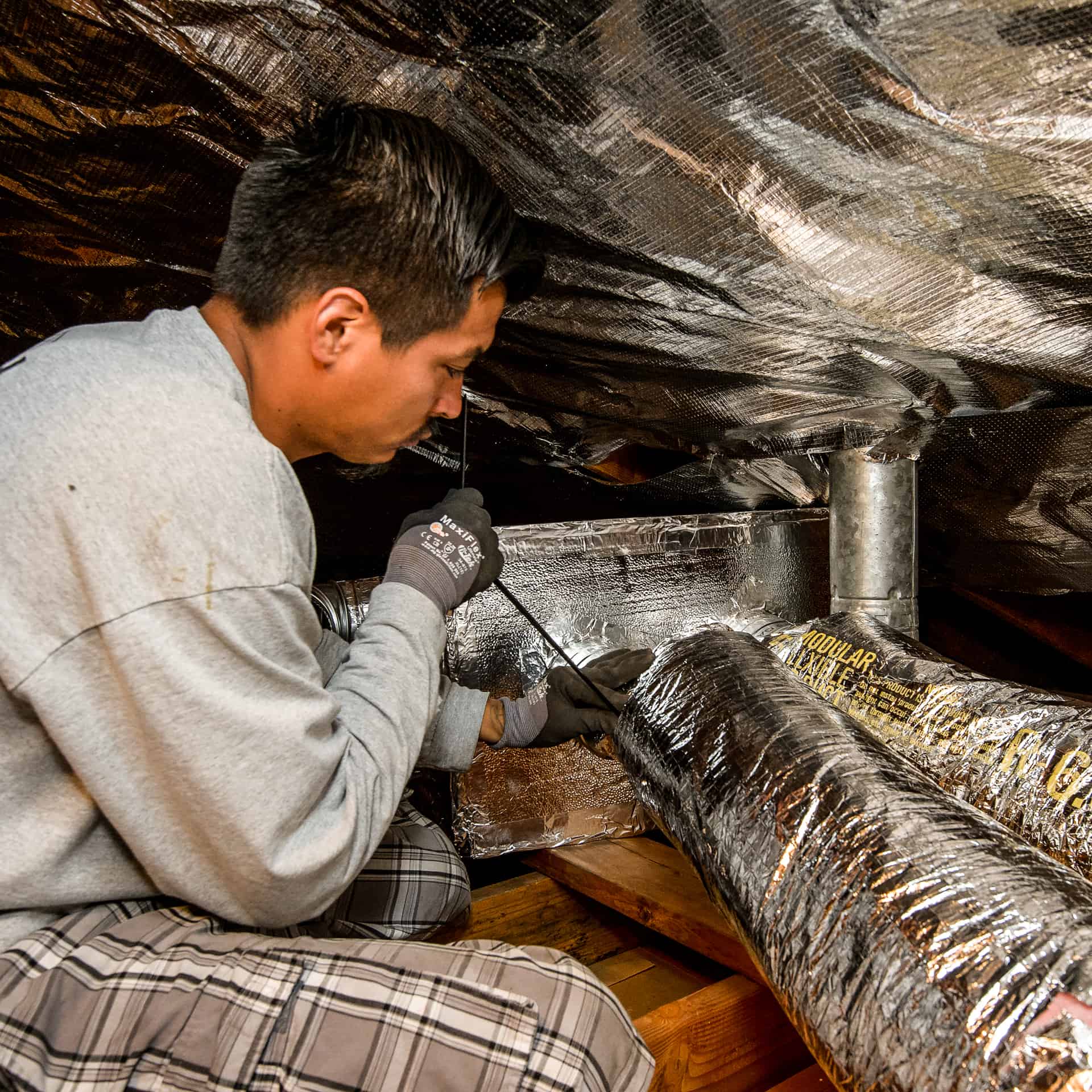
An attic that has served as a rat home may have shredded ductwork. Rats may tunnel through the insulation, rendering it less effective. Chewing on wires and tearing insulation off pipes is not uncommon. You may come home from vacation to find your home has flooded because of rats chewing on water lines. This kind of damage to your residence can pose a fire hazard, raise your utility bills and cause thousands of dollars in repairs.

Rats also go to the bathroom just like any other animal. Your insulation will become a trampled bed of fecal matter and urine. Eventually, these bathroom smells can spread into your living area, causing a very unpleasant odor. You might get used to it, but your house guests, neighbors and prospective home-buyers will not. The smells from their urine and capsule-shaped rat poop attracts other rats.

Rats keep their teeth worn down by gnawing on surfaces. You may wonder why there are chew marks on your rafters and doors or why there are fresh wood shavings in your attic. This is probably because a rat has been honing its teeth in your attic.

I heard rats carry diseases. Is that true?


Rats’ reputation as dirty animals is 100 percent accurate. Rats are primary carriers of murine typhus, leptospirosis, trichinosis, salmonella, ratbite fever and plague. These are known as zoonotic diseases, diseases which can be transmitted between animals and people.

Rats and their fleas can transmit murine typhus to humans. Symptoms of this rat disease include headache, fever, nausea, body aches and a rash. If the infection goes untreated, symptoms can last for months.

Humans become infected with leptospirosis when they come into contact with water, food or soil containing urine from an infected rat. If a rat has been scurrying around in your food or water, leptospirosis can be easily transmitted once you consume that food and water. The disease starts out with flu-like symptoms which can develop into liver failure or meningitis.

Trichinosis is a roundworm infection transmitted from rats. Cysts hatch in human intestines and grow into adult roundworms. The worms can migrate into the blood stream and affect the lungs and brain.

Rats carry the bacteria salmonella. People who pick up salmonella bacteria can become seriously ill with diarrhea, vomiting, fever and chills. Salmonella can also affect the blood. Rat salmonella can be spread through rat droppings.

Humans may contract ratbite fever from a rat bite, hence, the disease’s name. But humans can also get ratbite fever by coming into contact with rat urine and nose, mouth and eye secretions of a sick rat. Rash, flu-like symptoms and heart illnesses can all be symptoms of ratbite fever.

Plague is a rat disease spread to humans by a sick rat’s fleas or contact with a sick rat’s bodily secretions. Different kinds of plague can infect the lymph glands, blood and lungs. Here is more information on a few common zoonotic diseases, those which can be transmitted between animals and people.

I heard insects live on rats. Is that true?


Rats are also heavily infested with pests, which can spread into your home or business searching for hosts. Lice, fleas and mites are all known carriers of disease.

Several cases of mites biting humans indoors have been reported.

If a rat brings fleas into your home, most likely the biting bug will hop onto your house pet’s back. Once inside, large flea populations can build up quickly. Fleas live on the outside of their hosts’ bodies and need to feed on blood in order to produce eggs.

Rats carry two kinds of lice—one bites its host and the other sucks the host’s blood. Lice can cause hair loss and itching, and can transmit parasites.

A bug living in a rat nest can become an infestation in your pantry or carpet in no time. One or two mites may stray from the rat nest and crawl along your kitchen table. But if the rat abandons its nest for any reason, the whole caboodle of rat bugs will enter your home, looking for a new host. This is why it’s especially important to have our rat-control experts remove rat nests and other garbage after all the rats have been removed.

Rats are a liability for businesses and restaurants. Rat bugs and illnesses may infect your employees, guests or food. There are documented cases of illnesses occurring in these situations, and the plaintiff successfully sues the owner of the business. Also, if you are an employer and your workers’ environment is being contaminated by rats, you will see a drop in productivity due to illness. Remember, ATTIC GUYS experts can eradicate and manage a pest infestation brought in by a rat.

Will a rat hurt my dog or cat?


Because of illnesses and insects, a rat living in your attic, walls or crawl space can pose a danger to house pets. Rats may also bite your dog or cat and transmit any of the diseases listed above.

I want to trap or kill a at myself. Is that okay?


We understand the desire to take care of a rat problem yourself. It may be tempting to take matters into your own hands, but in the long run, you could put yourself, your family and your home at risk of damage, distress and disease.

Using only store-bought rat traps and rat poison is not a good option to get rid of rats. Rats have a keen sense of direction, and they are always memorizing their pathways to food and water. Rats also have an amazing sense of taste. They can sniff out contaminants and poison with no problem, and may become bait-shy to certain types of kill baits or poisons. It is quite hard to fool a rat with poisons and traps because of this.

The rat-removal experts at ATTIC GUYS will humanely trap any existing rats, and then offer rat-prevention ideas and techniques. ATTIC GUYS use multi-dose versus single-dose poisons so the rats don’t become bait shy.

A homeowner may successfully trap and kill an adult rat, only to smell the nasty odor of baby rat carcasses rotting in the attic or walls. It can take between one and two years, depending on the size, for a rat’s body to decompose, and even longer for the odor to dissipate. Along with dead rats come maggots and other bugs, including fly larvae.

How can Attic Guys help me get rid of my rat problem?


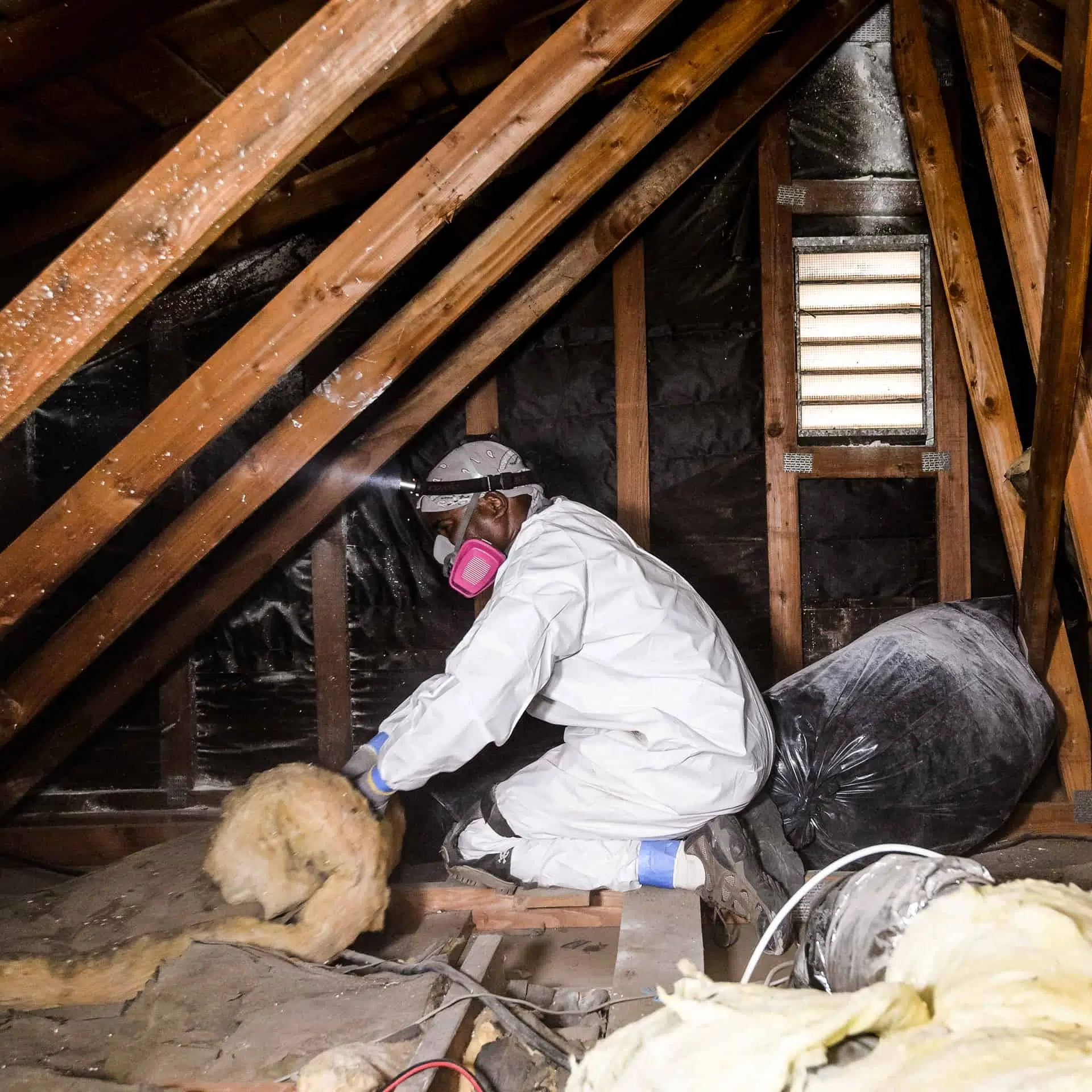
ATTIC GUYS' specialty is attic cleanup and decontamination. In the event your pest control company has failed to eradicate your problem, we will provide the removal of rats from under and in attics, walls, crawlspaces, ceilings, sheds, porches and other hard-to-reach locations through special rat-trapping techniques, rat repellents, rat poisons and use of fiber-optic and infrared cameras. Depending on city, county, federal and state law, the rat will either be relocated or euthanized once it is taken away. No matter the course of action, the rat will be treated in a humane manner.

ATTIC GUYS' use a variety of rat live traps, kill traps, body-gripping traps and snaring, depending on the kind of rat infestation and federal, county and state laws.

If a rat has already died under or in your home, porch or business, our professionals have dead-rat removal services and can also help clear odors caused by dead rats.

We’re professional attic specialists who will travel to any location to take care of your attic problems, and we can do professional phone and Internet coaching for those who live in remote areas, but who want to perform pest control for rats by using digital pictures sent by e-mail. Either way, we will work with you to solve your rat invasion and attic problems. There is not a rat problem that can’t be solved with ATTIC GUYS service. Call 1-949-585-9300.

What are Attic Guys payment options for rat removal or to get rid of rats?


Call ATTIC GUYS at 1-949-585-9300 and we’ll give you our rates. We charge incrementally per rat, number of service calls and time spent on project. Prices will vary depending on severity of the attic problem. Depending on the amount of rats, where they are living, the size of your attic, and the damage caused by rodents. There is no free government service that takes care of rat control nor attic problems. The good news is, insurance companies will often pay for some, if not all, of the costs incurred to get rid of rats.

ATTIC GUYS accept Visa, Master Card and American Express. We also take purchase orders and cash.

What should I do after Attic Guys removes the rats and cleans my attic?


After our ATTIC GUYS HAS taken care of the rat problem and has cleaned your attic, it is best to contain or properly secure any food sources the rats may have been enjoying, such as garbage cans, dumpster's and the like. Don’t entice other rats to return. We will also help you make sure the building is in proper repair to deter any future furry friends from entering.

ATTIC GUYS can install special products which block rats from entering your attic, walls, crawl space, commercial or industrial areas.

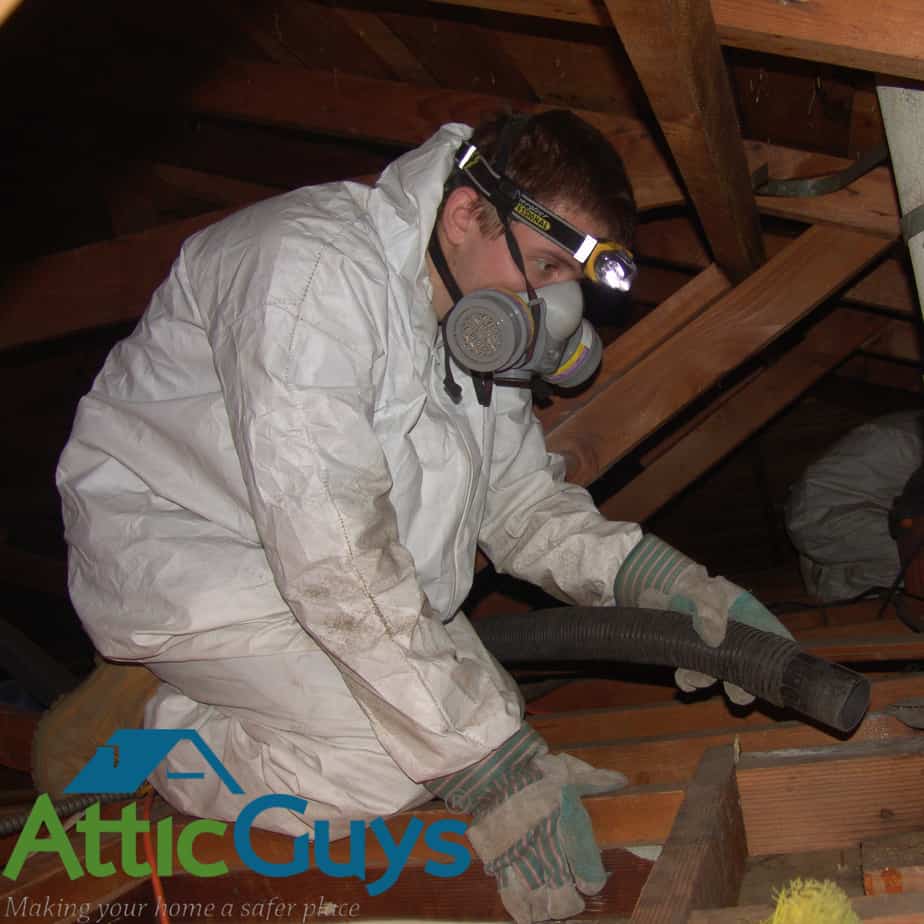
Cleaning up rat droppings and urine is crucial in the rat-prevention process. If you leave any rat waste behind, it will entice other rats to come make a home in your house or business, and the mess will provide a breeding ground for rat disease. ATTIC GUYS can help with attic decontamination and rat odor control needs.

A great way to prevent a rat problem is to eradicate any small-rodent infestations you may have. ATTIC GUYS attic specialists can help you install a rodent-control system to keep mice, birds or insects away so that rats will not be tempted by them as a food source.

Do remember that rats are wild and unpredictable. Though we have years of experience in the rat-removal field, a particular rat situation may require that we return more than once to get the job done right and to prevent rats under or in your house or business in the future. Incremental pricing will apply for our professional rat removal and all rat solutions are custom-made and custom-priced.

ATTIC GUYS will help identify your rat pest damage. We will remove the existing rat-pest and develop a custom-wildlife solution to stop or control the rat problem from occurring again.

Our mission at ATTIC GUYS is to completely clean up and decontaminate your attic. We will remove the existing rat-pest and develop a custom-wildlife solution to stop or control the rodent problem from occurring again.

In the end, if you’re happy with our experienced, professional attic specialists, any referrals are always appreciated.