















Facts
Learn about Zoonotic Diseases

Hantavirus
Rats excrete the virus in their urine, saliva, and droppings. A person may be exposed to hantavirus by breathing contaminated dust after disturbing or cleaning rodent droppings or nests, or by living or working in rodent-infested settings.

Leptospirosis
Humans are infected through contact with water, food, or soil containing urine from these infected animals (i.e. rats, mice). The disease can also be transmitted through direct contact with urine, blood or tissue from an infected animal. The bacteria can enter through broken skin or through the soft tissues on the inside of the mouth, nose or eyes.

Murine Typhus
An Acute infectious disease that is transmitted to humans by rat fleas and feces. The symptoms include fever, headache, and rash, body aches & pains, chills.

Salmonella
Bacteria which cause disease in humans and animals and is Transmitted to humans by eating foods contaminated with animal feces.

Preventative Measures
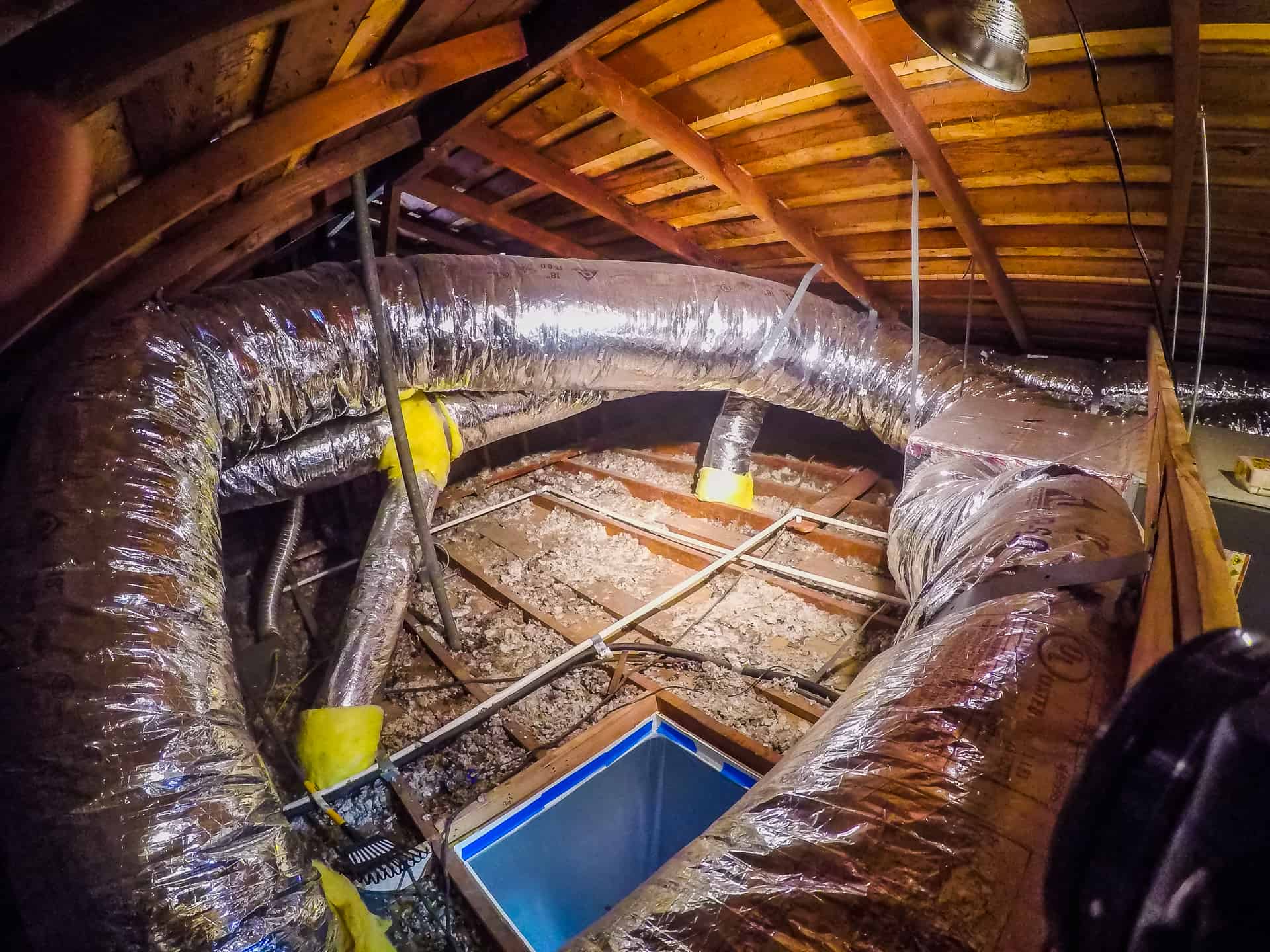
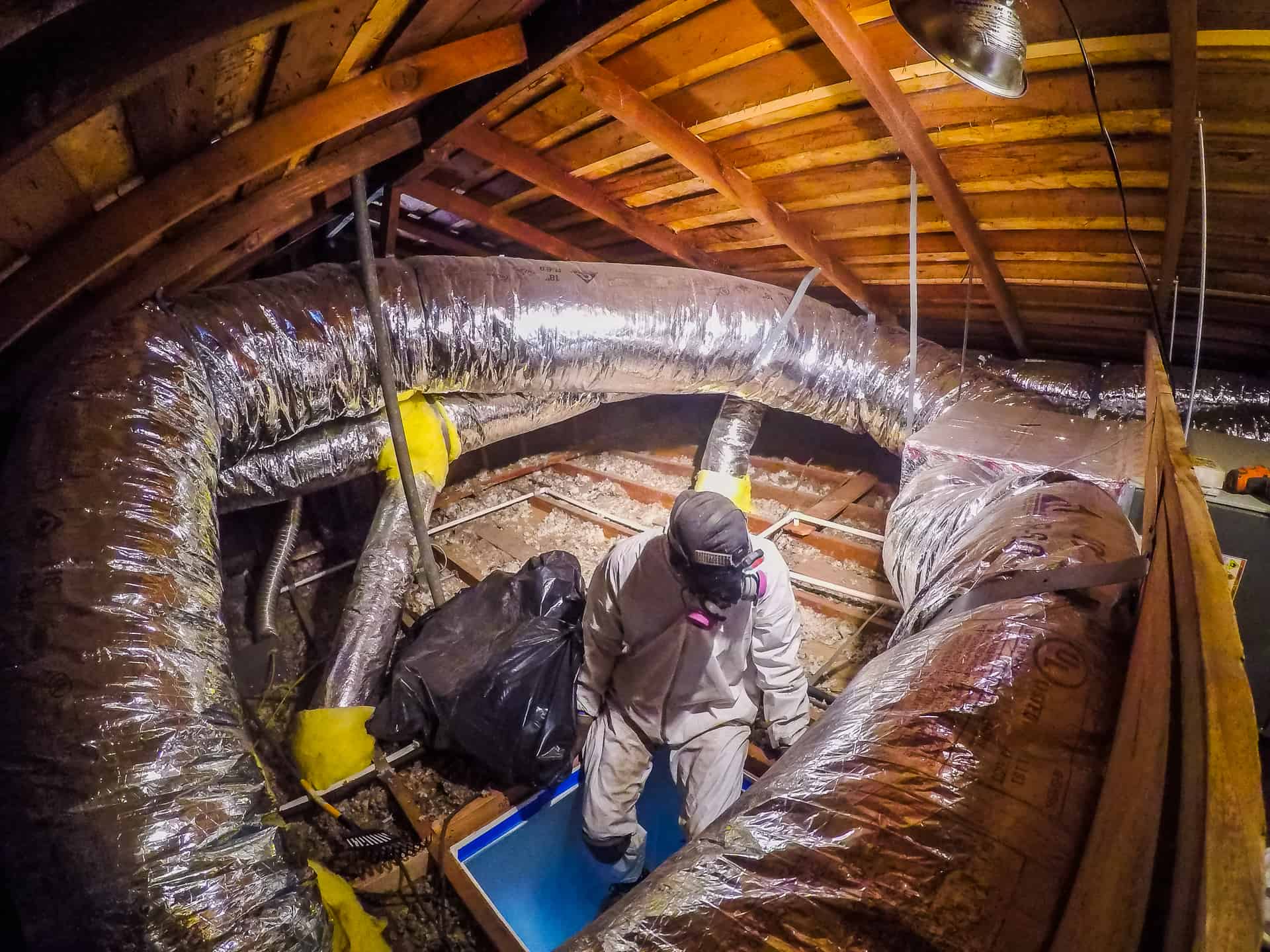
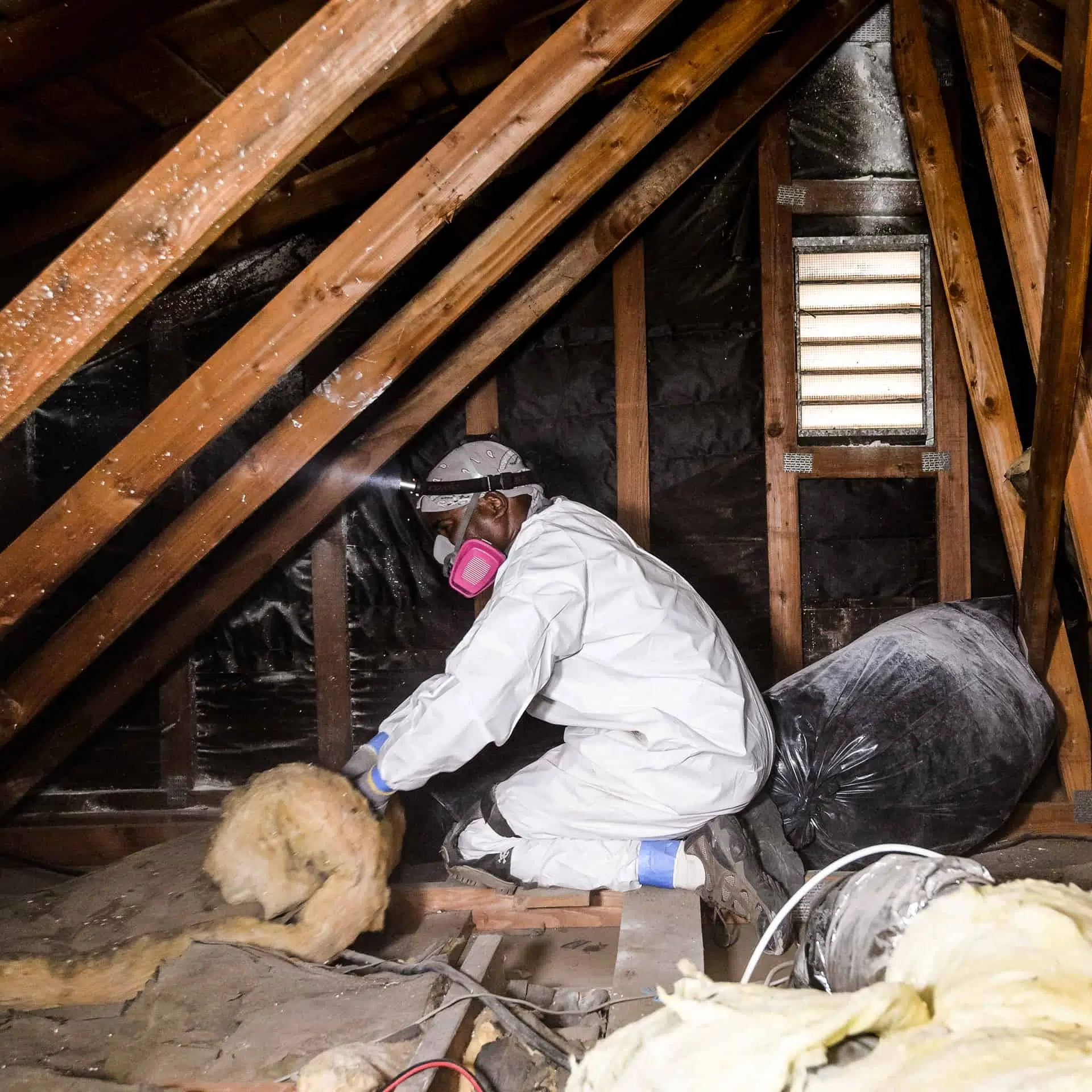
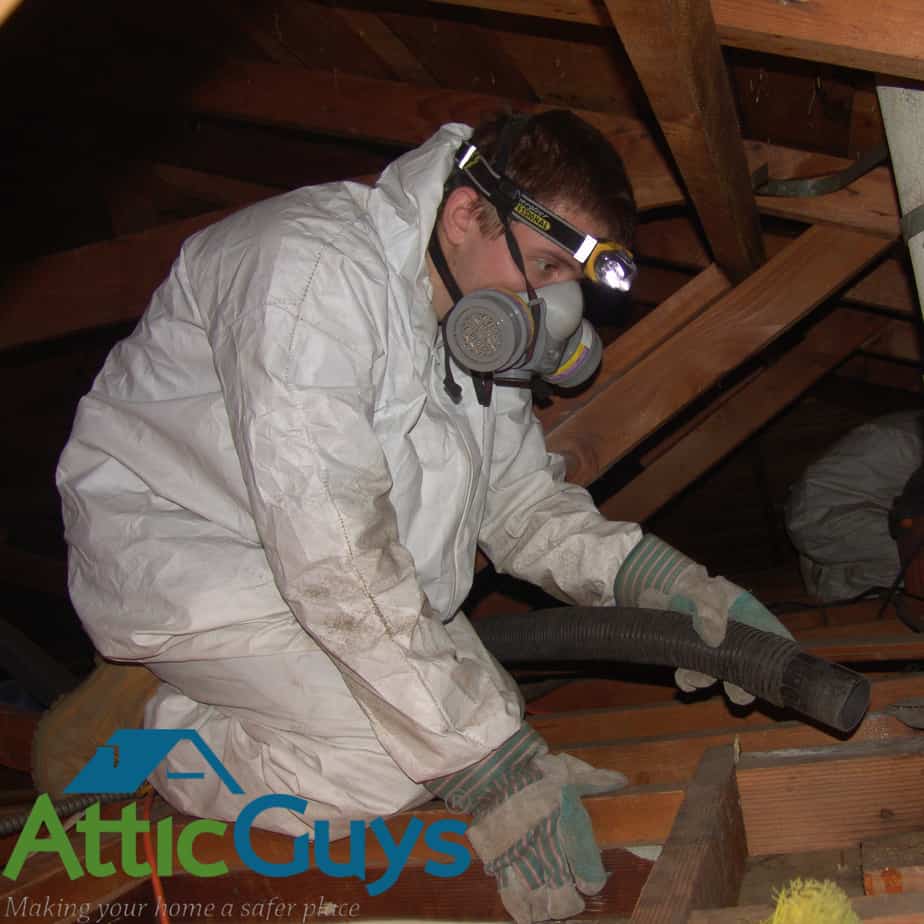
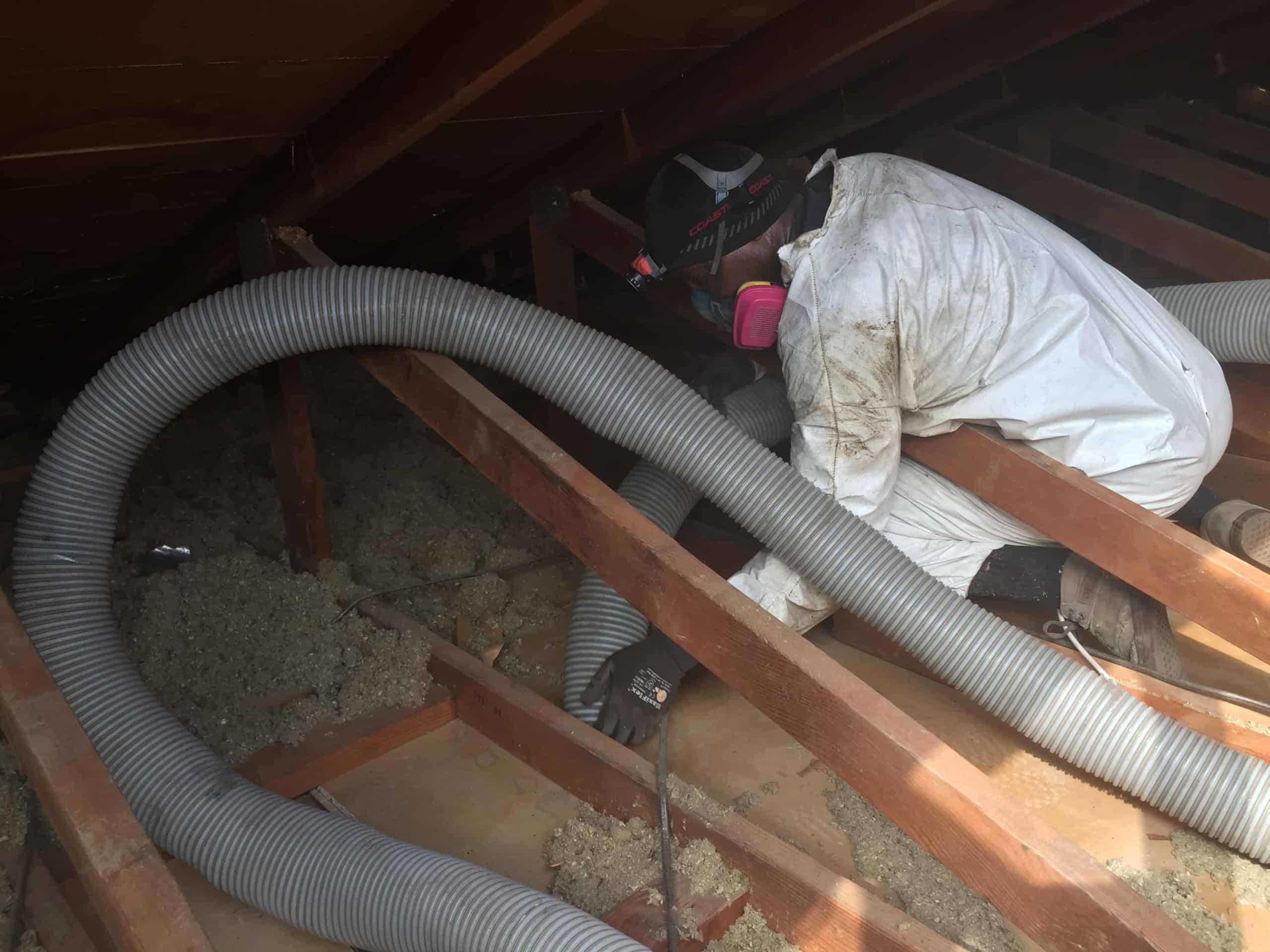
At one point your attic has more than likely been infested with rodents, which may carry many of these diseases. In order to protect yourself and your family from rodents transmitting these disease within your household the following measures should be taken. Remove rodent feces & urine.Keep rodents out of your home. Remove rodent food sources. Clean up rodent infested areas. Lastly, make sure you wash your hands after contact with animal feces. Attic Guys can provide all of these services to you and guarantee your attic will be clean. We will make sure to take extra precaution that we not spread these diseases while cleaning your attic.

More info about Rat Cleanup and Decontamination

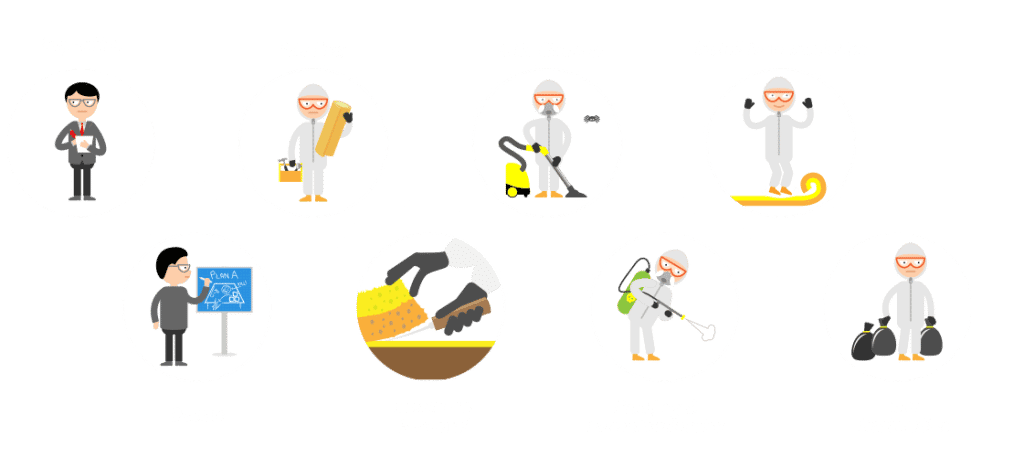
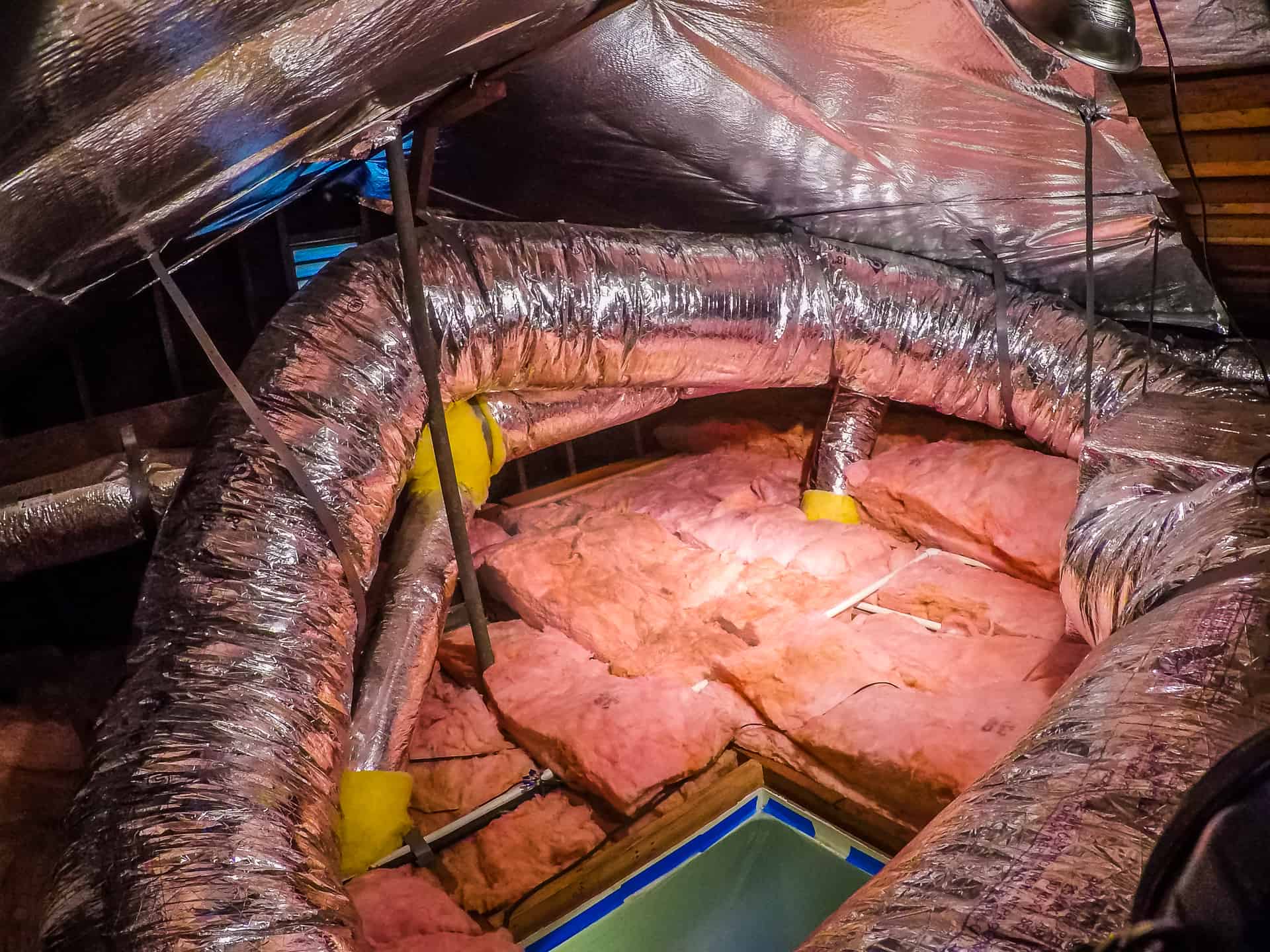
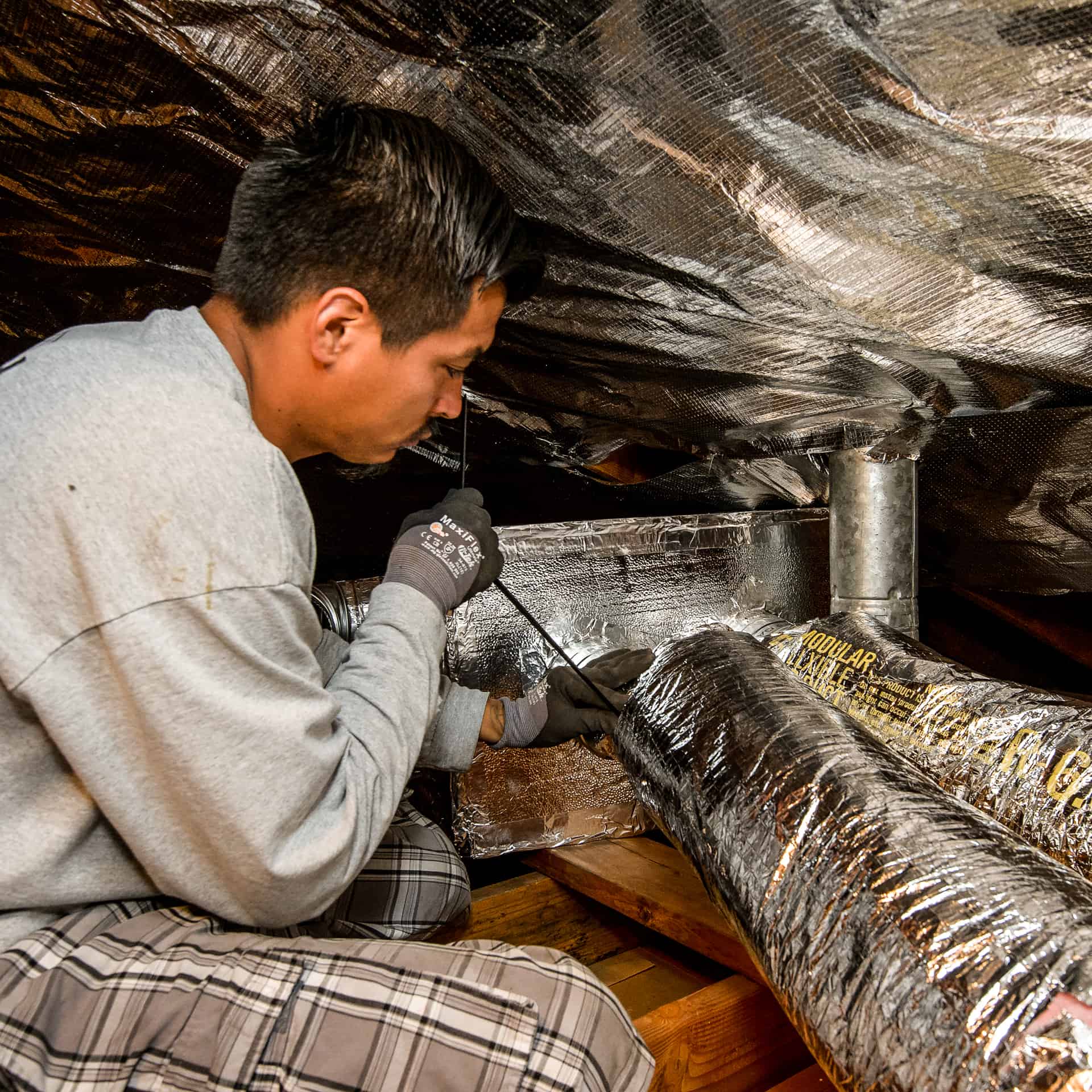
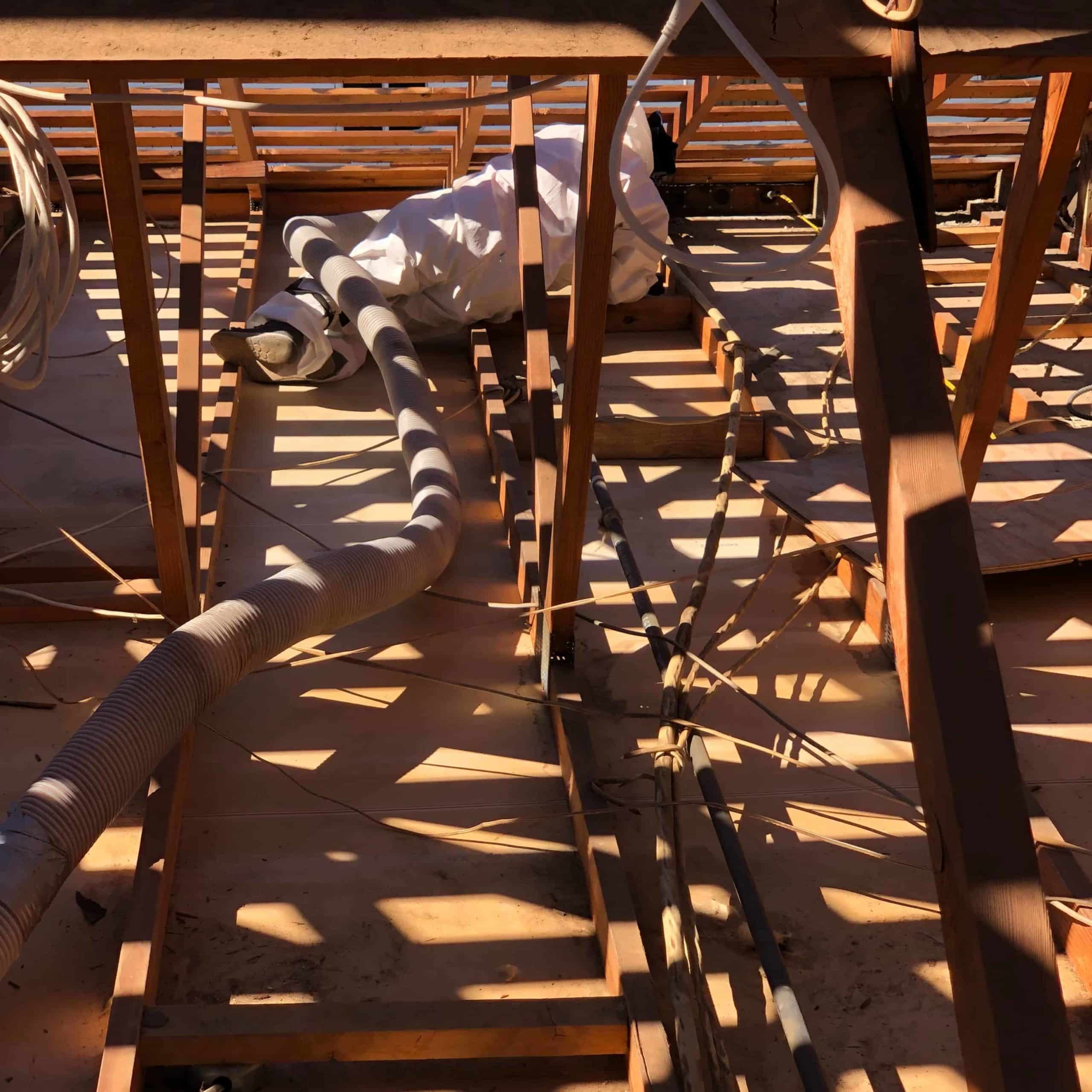
We are the only company that specializes in rat cleanup services, along with our insulation services. Rat cleanup involves several steps: first is cleaning up the rat droppings, urine, and carcasses, this may include removing the old insulation. Second, decontaminate the entire area affected by the rat infestation and remove the rats as well. Lastly, the rats or mice must be expertly blocked from re-entering your home or office. This service can be applied to mice, possums, raccoons, and birds.

Rat cleanup is the first step in getting rid of a rat infestation. Rats leave behind urine, droppings, and pheromones which all attract other rats. Until this rat contamination is cleaned up, you will continue to attract rats to your home or office.

Rat cleanup is also important to get rid of the diseases the CDC points out rats can transmit. Rat cleanup is the only sure way to prevent the rat contamination that is on your home from being spread through the home or place of business and possibly infecting a family member or pet.

Rat Facts
A rat's sense of smell is excellent, even exceeding that of a dog. Rats have extreme hearing capabilities, even in the ultrasonic ranges. Rats can exert the same jaw pressure as an adult crocodile, which is why they can chew through lead pipes. Rats communicate much of their language on a sound frequency that the human ear cannot hear. Rats are poorly nearsighted. Rats do not see three dimensionally, thus having no depth perception. Rats are color blind. A rat's vision is geared for spotting movement. Pink eyed rats have much poorer vision than black eyed rats. Their four front incisors (teeth) grow at about four to five inches per year. A rat's tail helps them keep their balance. Rats molt throughout their lives, loosing old hair, and gaining new hair. While they are molting they will have patches of lighter, softer hair throughout their bodies. This is more noticeable in babies. If they have a hairless gene in their background, or if they are a rex, they may even develop bald patches while molting.

Roof Rat
Scientific Name: Rattus norvegicus
Habitat: Farms, cities, fields, human houses and attics
Adult Weight: 5-9 oz.
Adult Body Length: 5-7 inches; tail: 6-10 inches
Breeding Period: Throughout the year, every 30 days
Litters Per Year: 10; average, 3-6
Litter Size: 2 - 22; average 8-12
Life Expectancy: 3 years maximum
Foods: Omnivore - Meat, insects, wild plants, seeds, grain, birds, eggs, human food and garbage

The Black or roof rat is a medium to large rat. The tail is slender and usually longer than the head and body combined. The black rat, primarily an arboreal species, is an expert climber and wire scaler, and moderately susceptible to plague infection. This rat is found in agricultural areas, wooded gulches, forests, and both wet and dry forests. The black rat has now displaced the Norway rat as the most common rat found close to human habitations and especially in wet areas such as streambeds, drainage canals, and sewers.

Norway Rat
Scientific Name: Rattus rattus
Habitat: Farms, cities, fields, human houses and crawlspaces
Adult Weight: 6-17 oz.
Adult Body Length: 12 1/2 - 18 inches; tail: 4 3/4 - 8 1/2 inches
Breeding Period: Throughout the year
Litters Per Year: 12; average, 5
Litter Size: 2 - 22; average 7 - 11
Life Expectancy: 3 years maximum
Foods: Omnivore - Meat, insects, wild plants, seeds, grain, birds, eggs, human food and garbage

The Norway Rat, also known as the common, or sewer, rat, has traveled around the world. Originally from central Asia, it spread overland and aboard ships to Europe between the 16th and 18th centuries. The rat was then introduced to American around 1776 in boxes of grain from Europe. Its population quickly spread across North America. It has coarse, brown fur with lighter coloring on its stomach and the easily recognizable naked, scaly tail. As populations grow to exceed an area's carrying capacity, Norway Rats will mass migrate to another area. It is reported that in 1727, millions drowned while crossing the Volga River in Russia, although many also survived the crossing. It is migrations like this one that brought about the story of the Pied Piper of Hamelin. The Norway Rat is a carrier of many diseases and can be very destructive, including ruining grain supplies and property. There are reports of rats that have started fires after gnawing on matches. It is even capable of chewing through steel. Despite the trouble that it can cause, the rat, in its albino form, is used in laboratories for tests on genetics, nutrition and disease.

House Mice Facts
The house mouse is one of the most troublesome rodents in the United States. They can live under a variety of conditions. Homes, commercial structures, open fields and agricultural lands all can house mice. They are small rodents with large ears and small black eyes. They weigh about 1/2 an ounce and are typically brown to gray in color. An adult's range in size is about 5 1/2 to 7 1/2 inches long, from nose to the tip of the tail. House mice are great climbers and can run up any vertical surface. They can run across rope or wire cables and can jump one foot down to the floor. Signs of House Mice, Mouse droppings: Usually found in sheltered areas. Fresh chew marks: Mice can cause damage to insulation inside walls and also by chewing on electrical wires. Mice Nests: Mice build their nests from fine shredded paper and other fibrous materials, usually shredded areas. Mouse cleanup is also very important for the health of anyone living the house. We have developed mice cleanup programs to ensure proper cleanup of mouse contamination and also safe techniques to use within the home around children and pets.

If you have any rat cleanup, mouse cleanup, or rodent cleanup needs we are the best company for the job. Since we focus on this service every day we are able to develop methods that are family and environmentally friendly. We take rat cleanup seriously and so should whomever you choose to work in your home. Call us today for a free inspection. Rat and rodent cleanup within your place of business is just as important. A business must not only portray its professionalism but also protect the employees and customers that enter its facilities. Call us today about our exclusive Commercial Rat Cleanup Services.